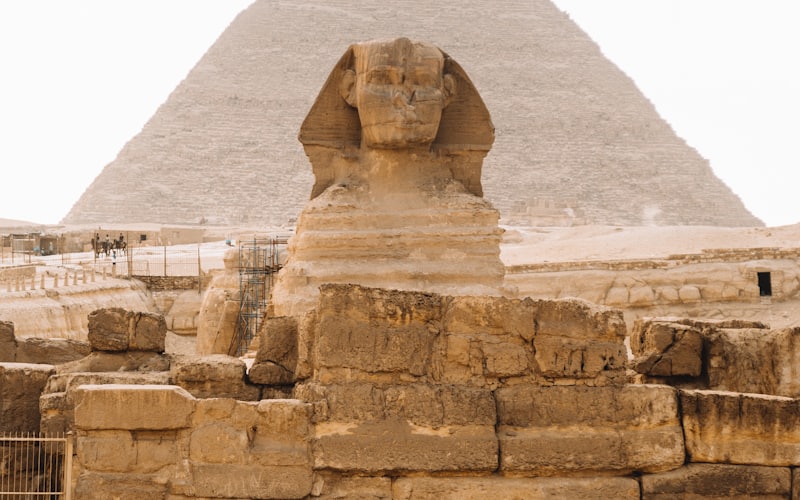
Restoration
May 2026
Inside the GEM conservation centre
How the Grand Egyptian Museum's laboratories stabilised thousands of Tutankhamun objects ahead of display — gilded shrines, textiles and a chariot among them.
Read more →Behind every artefact on display is years of quiet conservation work — and a constant negotiation between preservation and access. Heritage Conservation Review reports on Egypt's restoration projects, the science of looking after fragile objects, and the exhibitions opening across the country, from the Grand Egyptian Museum to the regional collections that rarely make the headlines. No ticket sales, no tours: just clear, independent coverage of how the heritage is cared for, who does the careful work, and what it costs to keep three thousand years of objects intact for the next generation of visitors and scholars.

Six recent stories from across the country, drawn from the laboratories and galleries we cover. The full archive lives across our reporting sections.
How the Grand Egyptian Museum's laboratories stabilised thousands of Tutankhamun objects ahead of display — gilded shrines, textiles and a chariot among them.
Read more →
The Egyptian Museum in Tahrir reopens a refurbished wing, rehanging statuary with new lighting and conservation-grade climate control.
Read more →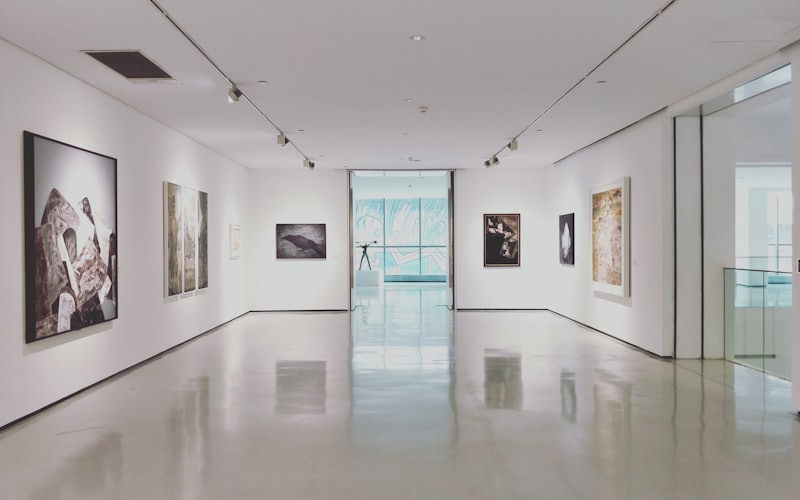
Why a single funerary linen can take months to stabilise, and the reversible techniques conservators now favour over older, riskier interventions.
Read more →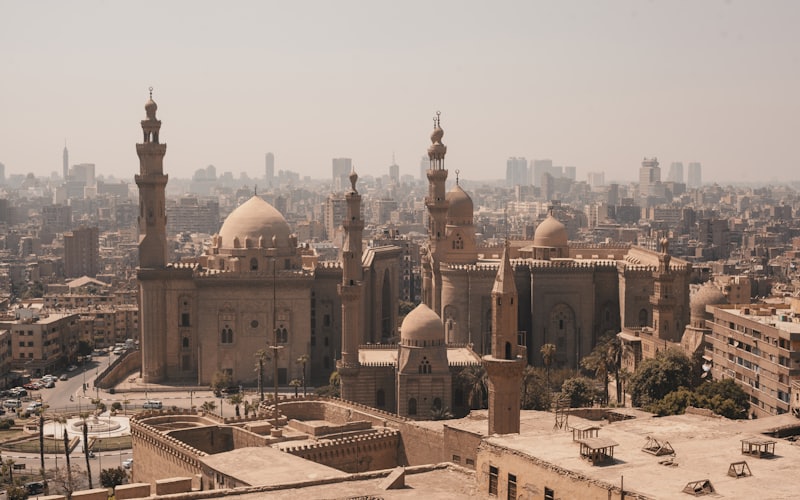
A round-up of recently reopened collections beyond Cairo — in Sohag, Kafr El Sheikh and Hurghada — and what each now puts on display.
Read more →
The conservation history of a single painted coffin, from excavation to gallery, and what its pigments reveal about ancient workshops.
Read more →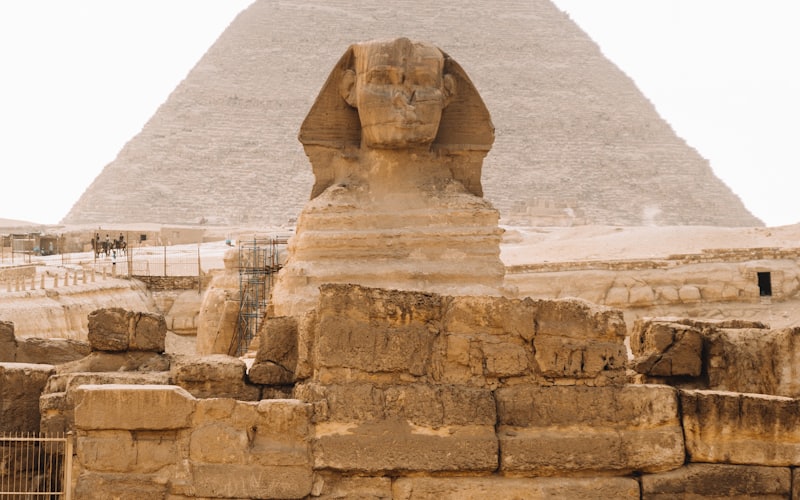
The logistics of relocating multi-tonne statuary between institutions — the rigging, the route planning and the conservators who ride along.
Read more →We cover conservation as a craft and a science, not as a press release.
Where access allows, we visit the laboratories and galleries we write about and speak to the conservators doing the work, rather than rewriting announcements. That access shapes what we can and can't report honestly.
We explain how a treatment actually works — what's reversible, what's irreversible, why a choice was made — because conservation ethics turn on exactly those details, and readers deserve more than "it was restored."
A reopened gallery or a new display is placed in the longer story of how Egypt cares for its heritage, including the debates and the trade-offs, not flattened into a celebratory caption.
Egypt's heritage is reported in two registers: breathless discovery announcements, and academic papers few outsiders read. The careful, continuous work in between — stabilising a flaking pigment, rehousing a fragile textile, rethinking a gallery's climate control — rarely gets told, even though it is what actually keeps the past intact. That gap is what we set out to fill in 2014.
We are a small independent newsroom in Zamalek, funded by readers rather than institutions, which lets us cover the difficult choices as well as the triumphs — the failed treatment as readily as the celebrated one, and the budget shortfall as readily as the gala opening. Read about how we work, follow the conservation methods behind the headlines, or browse the heritage news archive.
Working in the field and have a project worth covering? Get in touch with the newsroom — much of what we publish starts with a tip from a conservator.
The reporting ranges wider than the famous names. The Grand Egyptian Museum and the royal mummies at the National Museum of Egyptian Civilisation draw the cameras, but a great deal of the most consequential conservation happens in regional storerooms, in university laboratories, and in the quiet rehousing of objects that will never be the centrepiece of a show. We try to give those the same attention, because a collection is only as secure as its least-photographed shelf. Across a decade we have tracked how funding cycles, staffing and new techniques change what is possible — and we keep the older stories linked so a reader can follow a single artefact or institution through years of work rather than catching it in one isolated headline. That continuity is the part most heritage coverage loses, and the part our archive is built to keep.
We take no money from the institutions we cover and run no advertising for them. A subscription supports the reporting and unlocks the full archive; the core coverage stays free to read.
No. We are a reporting publication, not a travel or ticketing service. We cover restoration, conservation and exhibitions; for opening hours and entry you should check the institution directly. Our exhibitions page notes which shows are currently open but is not a booking channel.
It means a treatment can later be undone without harming the original object — a core principle of modern conservation ethics. Adhesives, consolidants and fills are chosen so that a future conservator with better methods can remove them. We explain this in depth on our conservation methods page.
Through long-standing relationships with conservators and institutions, built over more than a decade. Access is never guaranteed and we respect embargoes on unfinished or sensitive work, which is part of why those relationships hold. Our behind-the-scenes coverage is the result.
You may quote and link to our articles with attribution. Republishing full pieces requires permission. Educators and students cite us frequently, which we encourage — see our about page for how we prefer to be credited.
No. The core coverage is free. A subscription unlocks the full back archive and supports the newsroom, but we deliberately keep current reporting open so the public can follow how their heritage is cared for. Details on the subscriptions page.
Read the latest from the desk, or subscribe to support independent heritage reporting and open the full archive.
Browse heritage news